If you have been Googling “Copy.ai Alternative Germany” recently, you are in good company. Searches for a Copy.ai Alternative Germany have been climbing steadily through late 2025 and into 2026, and they are not coming from teams that tried Copy.ai for a week and gave up. They are coming from teams that used it properly, hit the same four walls, and started looking for ai writing software or an ai writing assistant that is actually built for the way German content teams work.
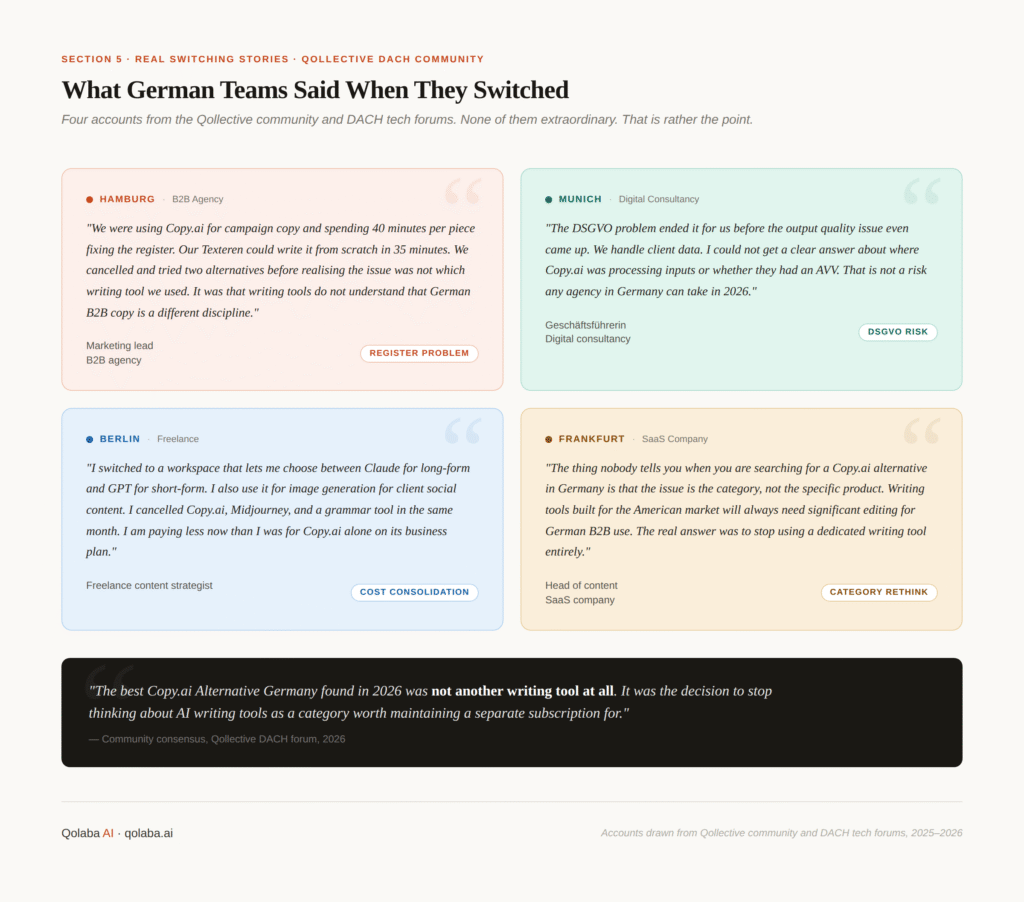
Copy.ai had a strong run in 2022 and 2023. It is a competent tool. Using it for German B2B copy is a bit like hiring a very enthusiastic American intern to write your client proposals. Technically capable. Tonally catastrophic. The resulting copy would pass a Turing test in San Francisco and fail a register test in Frankfurt. But something specific keeps happening to German content teams who adopt it: they end up doing a lot of manual work to undo what the ai content generator just did to their copy. The complaints are consistent enough to be structural rather than anecdotal. This article takes them seriously, runs through three Copy.ai Alternative deutsch options honestly, and then makes the case for why the most forward-thinking German teams are not really looking for a Copy.ai replacement at all. They are looking to stop paying for a dedicated writing tool entirely.
Why Copy.ai Does Not Work Well for German Content Teams
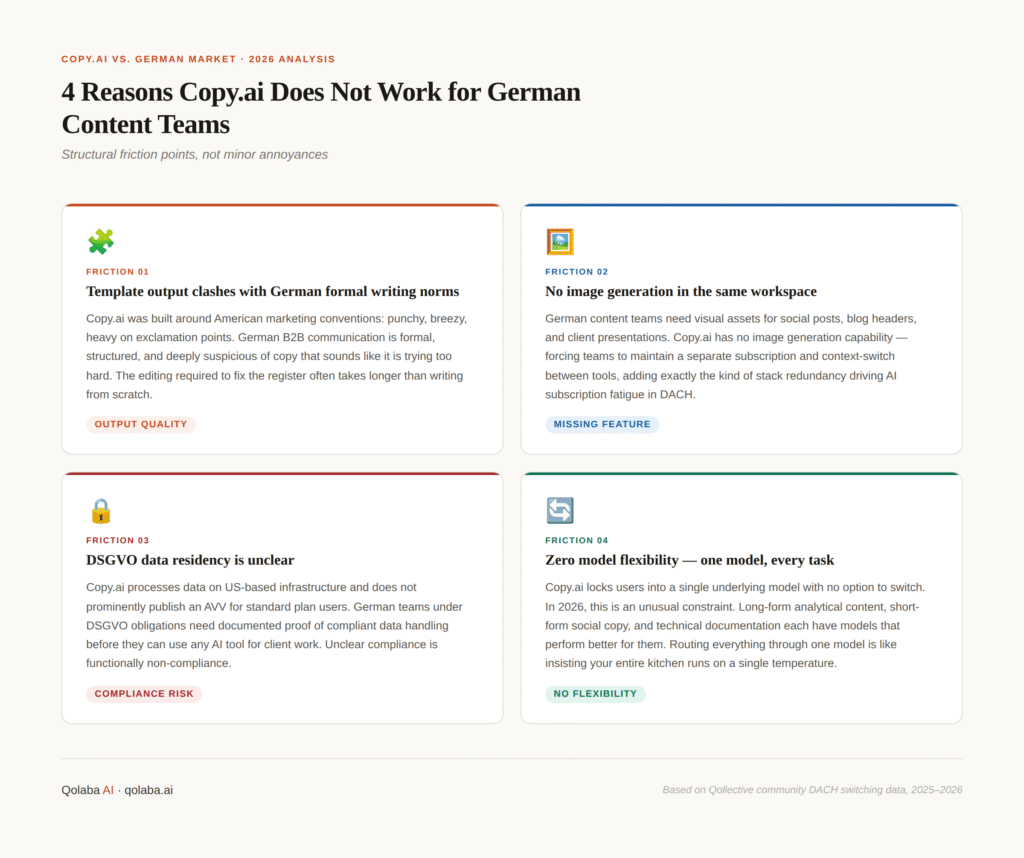
This is not a pile-on. Copy.ai is a well-built product. But there are four friction points that keep surfacing in the DACH market, and they are not minor annoyances. They are structural mismatches.
“Every time Copy.ai writes ‘Entfessle dein Potenzial!’ for a B2B logistics firm in Stuttgart, somewhere a Textagentur weeps quietly into their Kaffee.”
What German Teams Actually Need That Copy.ai Does Not Provide
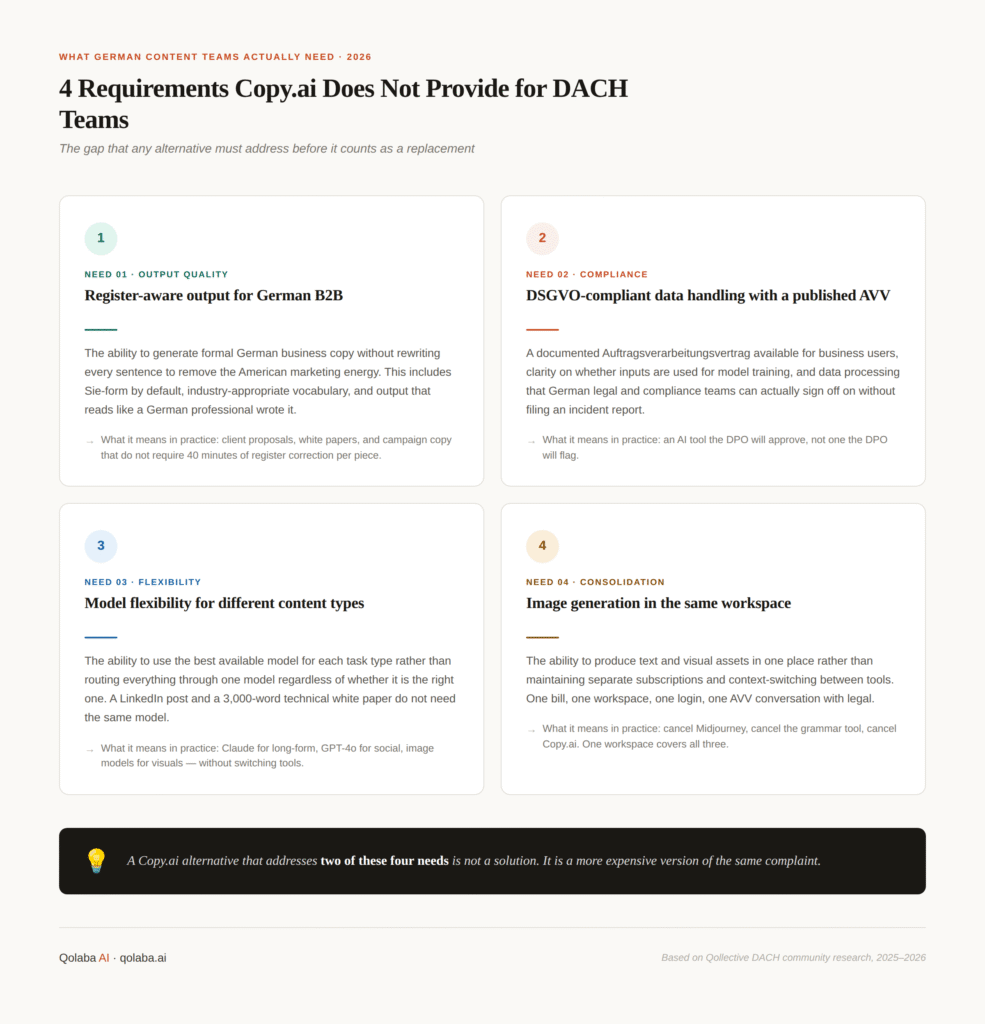
Before evaluating alternatives, it is worth being precise about what the gap actually is. German content teams looking for the best ai writing tools Germany has to offer in 2026 are not just looking for something that generates text or a more convenient ai writing app. They need an ai content writer that understands the specific demands of German B2B communication. They have a specific set of requirements that Copy.ai underdelivers on, and those requirements shape which alternative is actually the right fit. A Copy.ai Alternative deutsch that does not address all four gaps is just a different bill for the same friction.
Three Copy.ai Alternatives Evaluated Honestly
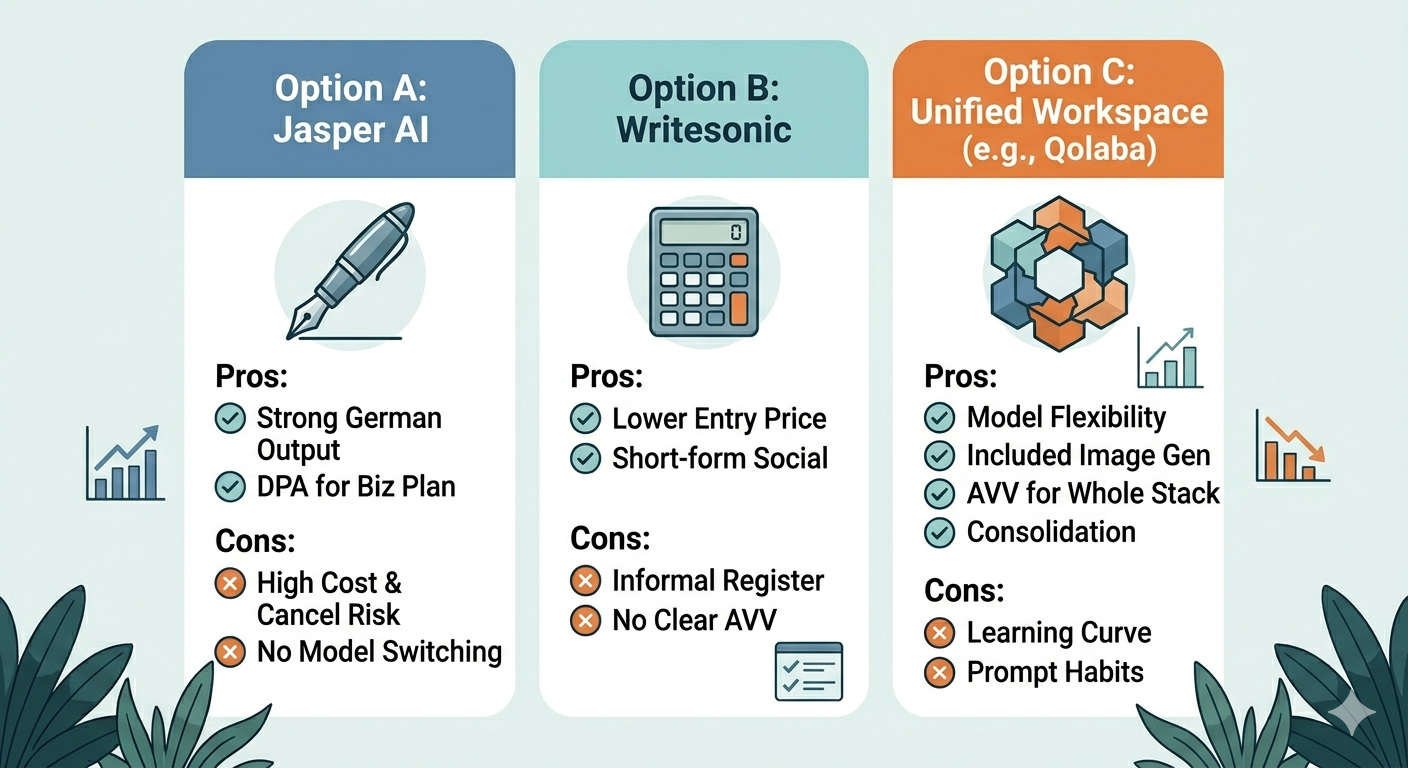
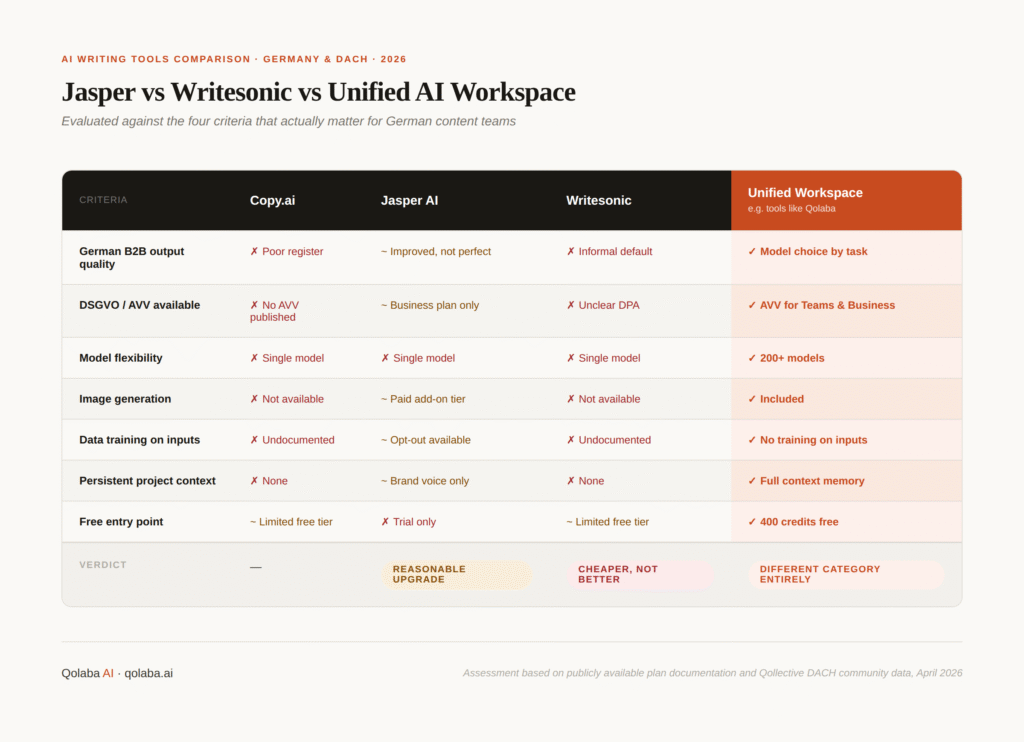
These three alternatives come up most consistently when German content teams describe what they switched to after cancelling Copy.ai. If you are searching for ai copywriting tools or ai content creation software Germany can actually use for client work, these are the names you will keep encountering. This ai writing tools comparison covers each one against the same four criteria: German output quality, DSGVO compliance posture, model flexibility, and image generation. Each has genuine strengths and real limitations. The goal here is not to crown a winner but to give you enough information to match the right tool to your actual situation.
Jasper AI
Jasper is the most structurally similar alternative to Copy.ai and the one that comes up most in conversations about copywriting ai for European markets. Same template-centric approach, same dedicated writing focus, roughly similar pricing tier. If your team liked Copy.ai’s workflow but found the output quality lacking for German content, Jasper is the natural first port of call.
The DSGVO situation is somewhat clearer than Copy.ai’s: Jasper publishes a Data Processing Agreement for business plan users, though standard plans are not covered. Data processing still routes through US infrastructure. For teams under strict compliance requirements, this is still a conversation to have with legal before onboarding. For teams with lighter compliance obligations, Jasper’s output quality in German is noticeably better than Copy.ai’s, particularly for longer-form content.
The model-switching and image generation limitations remain. Jasper has introduced some image capabilities but they sit behind an additional paid tier and are limited compared to dedicated image tools. It is also, at time of writing, one of the most frequently cancelled tools in German SMB stacks when teams go through a cost review.
Writesonic
Writesonic is the budget airline of AI writing tools. Gets you there. Do not check any luggage. Do not enquire about DSGVO compliance at 30,000 feet. It tends to come up in price-sensitive searches for a Copy.ai alternative, and it does undercut on cost. The German-language output is serviceable for shorter content types: social captions, email subject lines, short ad copy. For anything requiring the sustained formal register of German B2B writing, it struggles similarly to Copy.ai.
The DSGVO situation is the least clear of the three alternatives evaluated here. Writesonic does not publish a standalone DPA or AVV on its standard documentation pages, which makes it difficult to recommend for any team handling client data or sensitive content. The output quality in German also skews noticeably toward an informal register that requires significant editing for professional use cases.
Writesonic appeared in the top five most-cancelled AI tools among German SMBs in 2025. For a cost-sensitive team that needs basic copy assistance and has no compliance requirements, it is a workable short-term option. For professional agencies and consultancies, it creates more problems than it solves.
Unified AI Workspace (e.g. tools like Qolaba)
This third option is not a like-for-like Copy.ai replacement. It is a different category entirely: instead of a dedicated ai powered writing tools subscription, an all in one ai platform gives teams access to multiple models, image generation, document workflows, and persistent project context in one place. The reason it keeps showing up in German teams’ switching stories is that it solves problems the other two alternatives do not touch.
The model flexibility question is answered immediately: if Claude produces better formal German long-form copy and GPT-4o produces better social content, teams can use both without switching tools or paying separate subscriptions. The image generation question disappears. The DSGVO question is handled by a single AVV that covers the entire workspace rather than requiring separate compliance conversations for each tool.
The honest limitation is the learning curve. Template-trained users who want to open a tool and click “generate email” will find the workspace approach requires more deliberate prompting. That is not a flaw exactly, but it is a real difference in workflow that teams should account for before switching.
The Case for a Full Workspace Over a Writing Tool
Here is a question worth sitting with: if you replaced Copy.ai with Jasper, what problem have you actually solved? Jasper has the same underlying structure: one model, one template system, one bill, one set of German-language complaints. You have changed the logo on the frustration. You have addressed the output quality issue, partially. You have not addressed model flexibility. You have not addressed image generation. You have improved but not resolved the DSGVO situation. And you have added another single-purpose KI Schreibtool Deutschland to a stack that most German teams are already trying to trim.
The German SMB market spent most of 2025 cancelling AI tools in exactly this category. In the quiet annual ritual that German subscription managers have taken to calling “the AI cull”, single-purpose content writing tools and ai content tools were among the first to go, precisely because teams realised they were paying for a narrow capability that a more general tool could cover, often better, as part of a broader package.
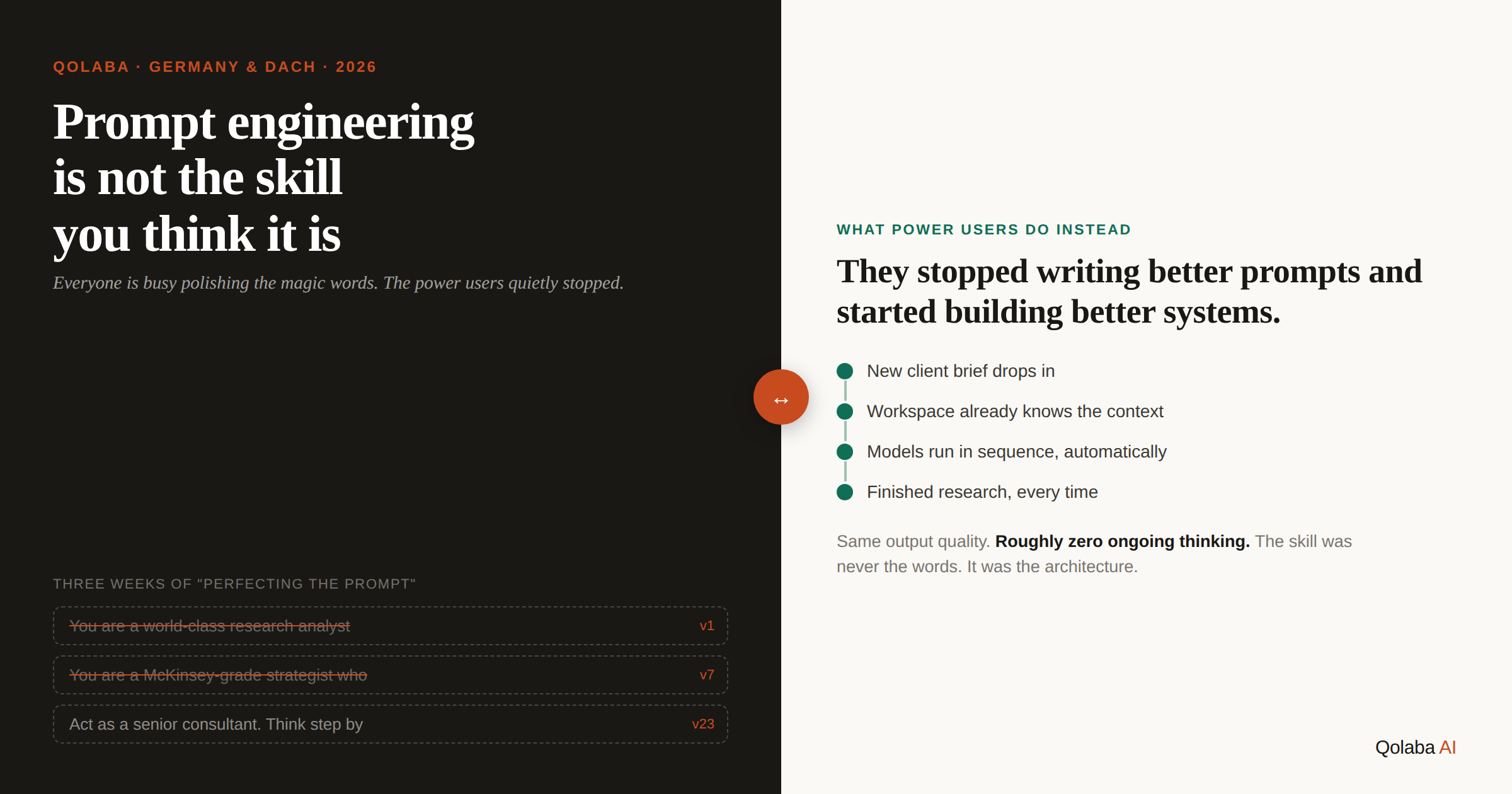
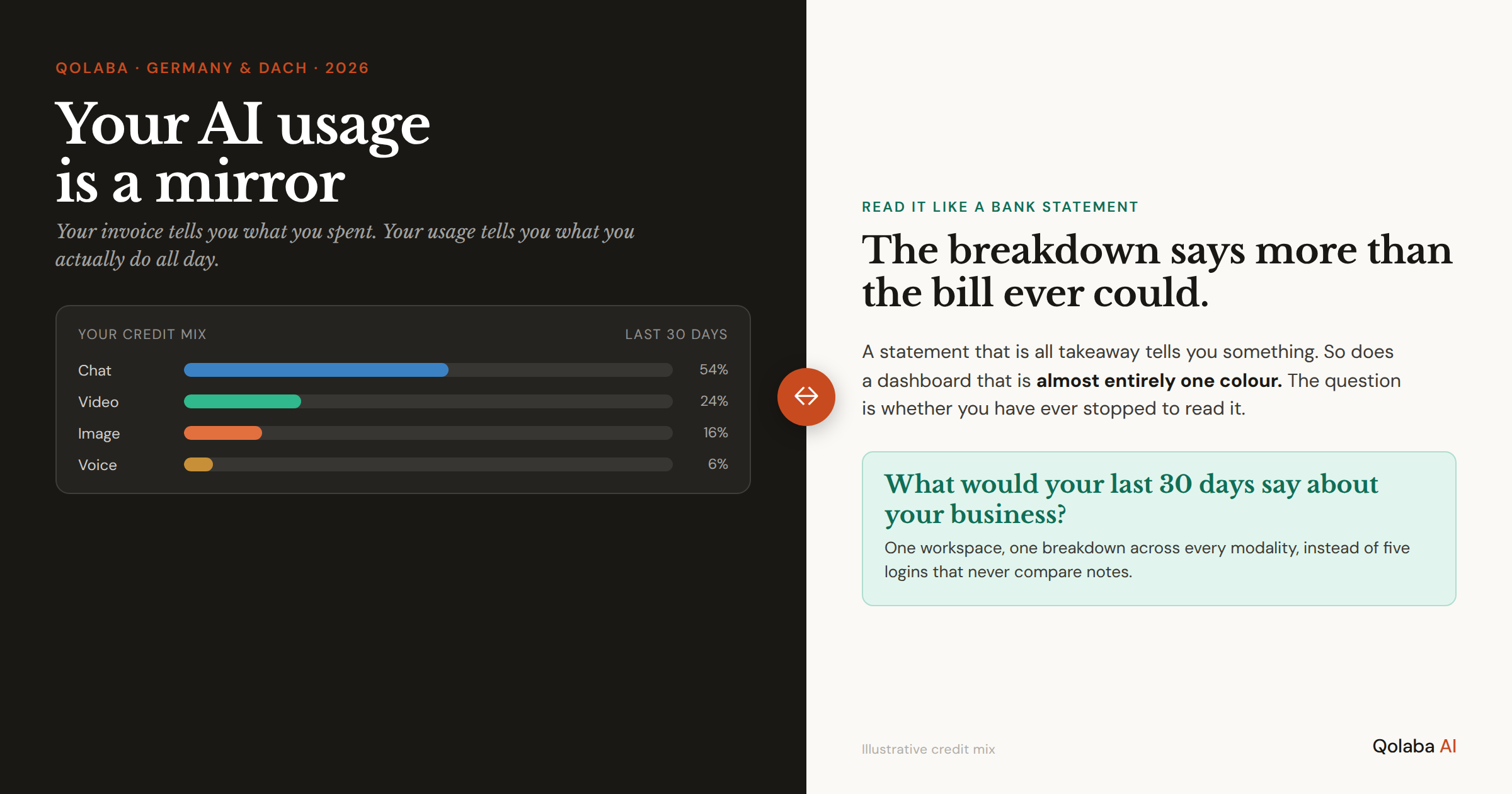
The shift that is happening in the DACH market is a move from tool-per-task thinking to workspace thinking. One place where you handle writing, research, image generation, document creation, and model experimentation. One DSGVO conversation. One bill. One set of persistent context that carries your brand knowledge, your client names, and your preferred German register from session to session without having to re-explain yourself every Tuesday morning. For teams that spent 2025 searching for the best ai writing tool Germany could offer, or the best ai writing assistant for client work, the answer turned out to be a workspace that treats writing as one capability among many rather than the entire product.
Why is Copy.ai not ideal for German content teams?
Copy.ai has four specific problems in the German market. First, its template-heavy output is calibrated for American marketing copy conventions that clash with German formal B2B writing norms. Second, it has no image generation. Third, its DSGVO compliance posture is unclear, with no prominently published AVV for standard users and US-based data processing. Fourth, it locks users into a single model with no flexibility to switch based on task type. Any one of these would be a friction point. All four together explain why German teams keep searching for a Copy.ai Alternative deutsch.
What is the best Copy.ai alternative for Germany in 2026?
The honest answer depends on what you are trying to replace. For teams who want a structurally similar writing tool with better German output, Jasper is the closest alternative with a clearer DSGVO posture. For teams willing to rethink the category entirely, a unified AI workspace that handles writing, image generation, multiple models, and persistent context under one AVV tends to produce better long-term results and lower total spend. This is the difference between finding the best ai writing assistant and finding the best overall AI platform. The number of German teams going the workspace route rather than the replacement-writing-tool route has grown significantly since mid-2025.
Does Copy.ai comply with DSGVO?
Copy.ai’s DSGVO situation is unclear for most German business users. The company does not prominently publish an Auftragsverarbeitungsvertrag for standard plan users. Data processing defaults to US-based infrastructure. The question of whether user inputs are used in model training has not been straightforwardly documented in German-language compliance materials. German teams with strict data obligations should seek written clarification before using Copy.ai for any client work. Unclear compliance is functionally equivalent to non-compliance when a Datenschutzbeauftragter is asking the questions. They have not built careers on the phrase “it seemed fine at the time”.
Is there a Copy.ai alternative with a proper AVV for German teams?
Yes. Several alternatives offer clearer DSGVO compliance including a published Auftragsverarbeitungsvertrag for business users. Jasper publishes a DPA for business plan users. Unified AI workspaces designed for business use typically provide an AVV that covers the entire platform. When evaluating any AI tool for German business use, look for a published AVV, explicit documentation of whether inputs are used for model training, and compliance materials available in German. Qolaba provides an AVV for Teams and Business plan users and does not train on user inputs.
Post Views:472
Aakash Jain
We build Qolaba, the AI workspace that brings 60+ models behind one login. We write about what we learn helping teams actually adopt AI.