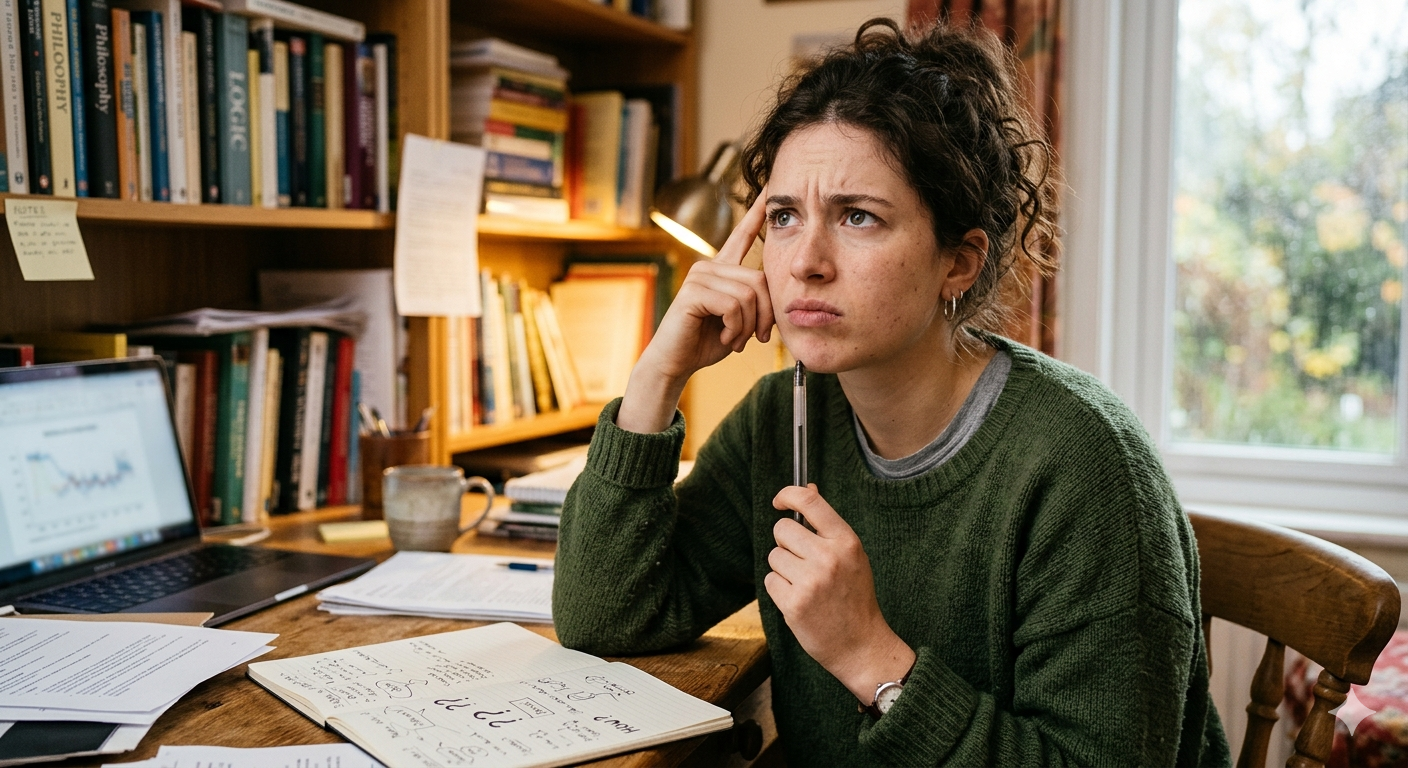


The blank page has always been both an invitation and an obstacle. Writers stare at it, waiting for the moment when imagination takes shape. But with AI now stepping into the creative process, that wait doesn’t have to stretch into frustration. Tools like Qolaba AI Studio can turn a single line of text into an infinite storytelling palette — if you know how to prompt them.
Artificial Intelligence doesn’t replace the writer. It amplifies possibility, offering companions for brainstorming, feedback, and worldbuilding. With the right AI prompts, your writing process becomes a collaboration: your creativity meets an engine built for ideas.
How AI Prompts Transform Creative Writing
AI prompts are more than commands; they’re conversation starters. The way you frame a question determines how AI responds — sparking fresh narratives, poetry, or imagery you might never have explored alone.
Effective AI prompting for creative writing involves three things:
- Context: Give the AI clear direction — the tone, theme, or emotion you want.
- Constraints: Structure breeds creativity. Ask for limits like “100 words” or “only sensory details.”
- Continuation: Treat AI output as a starting point, not a finished draft. Refine it with edits, voice, and perspective.
Writers who integrate AI strategically report more consistent output and higher novelty across creative projects. The best outcomes happen when human intuition meets machine pattern recognition — bridging imagination with instant ideation.
Fiction Prompts: Building Worlds and Characters with AI
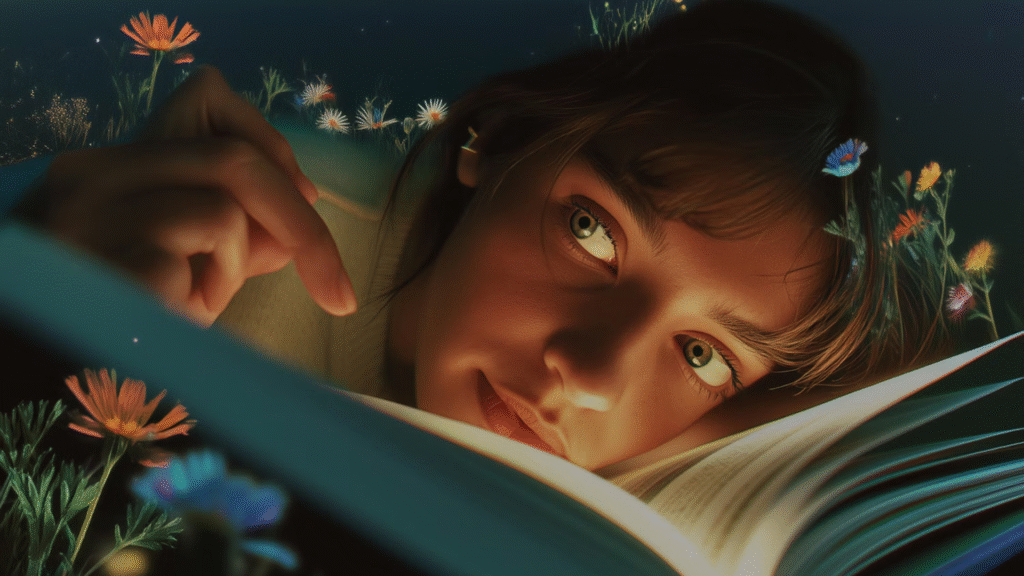
When writing fiction, AI can act as your co-imaginer. Use prompts that trigger storytelling dynamics — conflict, transformation, and motive.
Sample AI Prompts for Fiction Writers:
- “You are an expert fiction coach. Generate three short story concepts based on the theme of memory and identity.”
- “Write an opening paragraph for a dystopian novel set in a floating city where gravity is a controlled resource.”
- “Create a dialogue between two characters hiding opposing secrets during dinner.”
- “Suggest five plot twists for a slow-burn mystery involving an unreliable narrator.”
Once AI gives a response, build on it. Request revisions: ‘Make it darker,’ ‘Add a historical metaphor,’ or ‘Rewrite this scene from the antagonist’s point of view.’
Writers like freelancers and novelists are already using such iterative prompting to structure full manuscripts and expand world-building efficiently.
Poetry Prompts: Turning Emotion into Craft
AI tools like Sudowrite, Rytr, and HyperWrite’s Poetry Generator specialize in poetic rhythm and metaphor. By prompting correctly, poets can use AI to remix tone, form, and structure — discovering patterns and imagery they might overlook.
Sample AI Prompts for Poetry:
- “Write a free verse poem about time passing, using only ocean imagery.”
- “Generate a haiku based on the emotion of bittersweet love, keeping rhythm natural.”
- “Rewrite this poem in the style of Pablo Neruda but with a modern cityscape setting.”
- “Create five metaphors for loneliness using light and architecture.”
AI-driven poetry is part muse, part mirror. It reflects your voice back in new forms — letting you edit rhythm, meter, and flow while preserving authenticity. The key is to guide the AI with themes and textures rather than finished lines.
Artistic Expression: Blending Text, Image, and Sound
Modern storytelling isn’t confined to words. Today’s artists merge writing with visual and auditory elements. AI empowers that cross-medium creativity — generating imagery that aligns with your prose or poem’s mood.
For multimedia creators, tools like Qolaba AI Studio or Midjourney combine text and image synthesis. Writers can input creative prompts that visualize their narratives instantly.
AI Prompts for Artistic Writing and Mixed Media:
- “Generate an AI artwork representing the emotional tone of this poem: melancholy turning to hope.”
- “Create a visual backdrop for a short story about rebirth using soft tones and cyclical patterns.”
- “Describe this image as a 100-word prose piece using only tactile sensations.”
With these integrations, writers no longer just describe — they design emotion. AI becomes a creative partner in storytelling that’s seen, heard, and felt.
How to Structure Your Creative AI Workflow
- Start with Mind Mapping: Use AI to brainstorm connections between themes. Prompt examples: “Generate five variations of this idea with symbolic undertones.”
- Develop Scenes or Verses: Ask AI to outline narrative beats or stanza forms, then fill them with your voice.
- Edit Collaboratively: Use AI for tone refinement, rhythm analysis, or metaphor density reviews.
- Visualize and Expand: Input your text into an image generator through platforms like Qolaba to see and refine emotions visually.
According to studies on generative AI in writing, accessing multiple AI inputs can enhance novelty by 8–10% on creativity indices compared to solo ideation.
The AI Prompting Mindset: Partner, Not Puppet
The biggest shift in AI-assisted writing isn’t the technology — it’s attitude. Writers who treat AI as a creative ally experience fewer blocks and more experimentation. AI offers patterns; human writers supply meaning. Together, they produce art that feels both new and deeply personal.
Prompts like “act as a critic,” “expand this paragraph with more sensory elements,” or “suggest emotional contrasts for this scene” allow the machine to serve as a thinking partner rather than a replacement.
Qolaba AI Studio: Your Creative Canvas
Qolaba AI Studio bridges art and algorithm. Its multi-modal creation suite supports fiction writers, poets, and interdisciplinary creators with:
- Generative Writing Tools: Create prompts for prose or verse with tone and structure options.
- Visual Collaboration: Pair text with imagery or moodboards directly in the workspace.
- Feedback Systems: Refine drafts through adaptive AI suggestions.
- Collaborative Teams: Co-write and share iterative prompts with fellow creators.
By combining guided prompts, visual ideation, and contextual editing, Qolaba empowers creative professionals to move past “writer’s block” and into artistic flow—whether they’re sketching worlds, crafting emotions, or composing hybrid pieces that blend art with narrative.
Final Thought
AI doesn’t cheapen creativity—it catalyzes it. When prompted with care, these systems help writers turn fleeting thoughts into full worlds. The blank page is no longer a void but a playground.
The next story, poem, or artistic experiment doesn’t start with an idea. It starts with a question — and the right AI prompt to answer it.