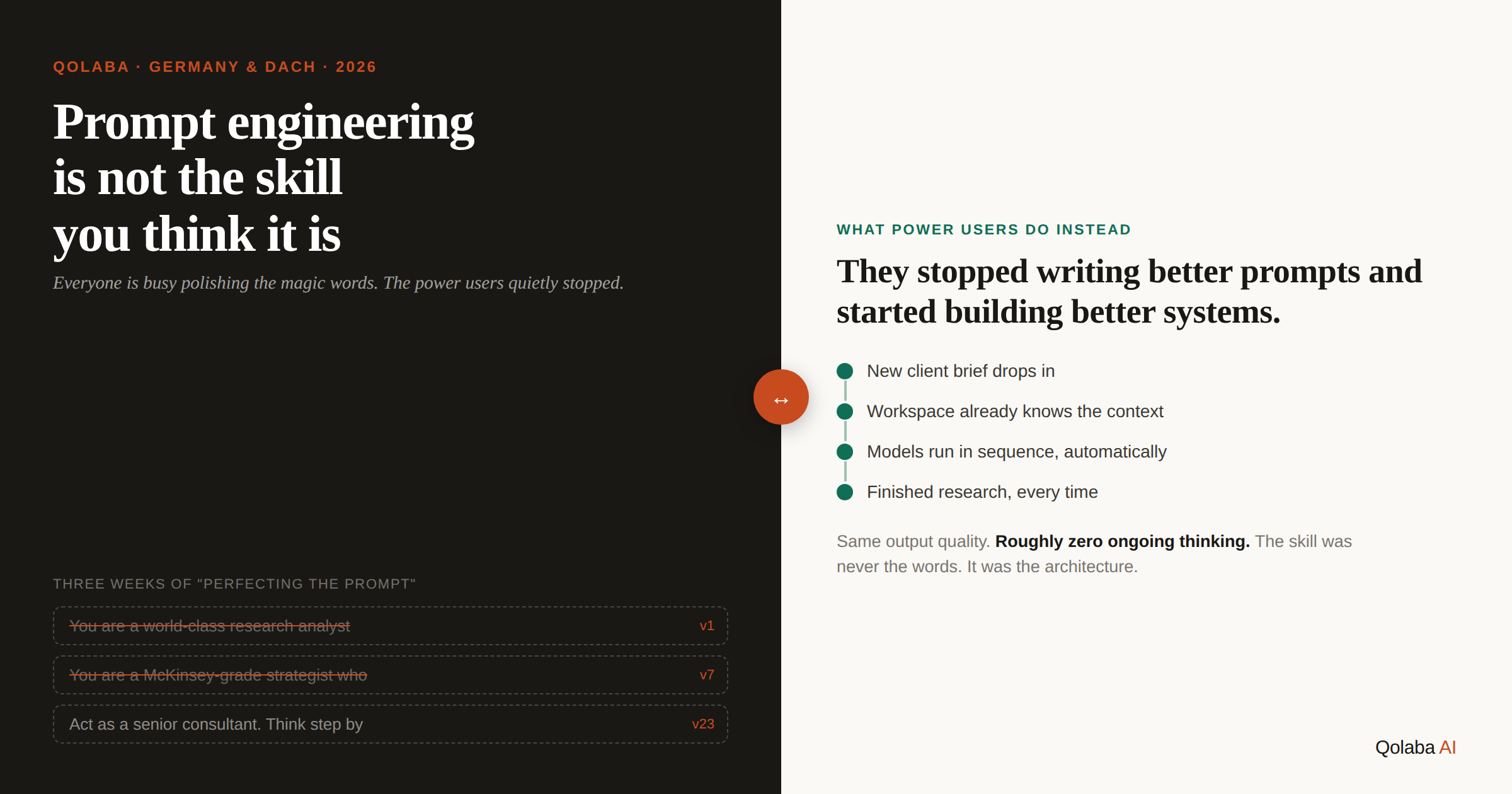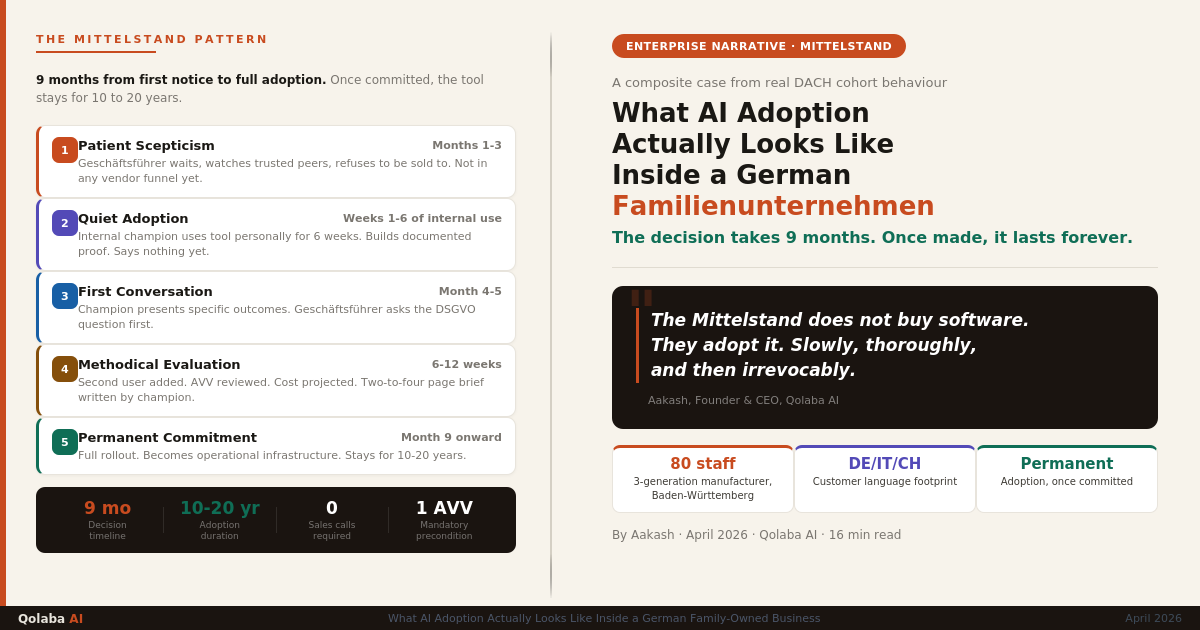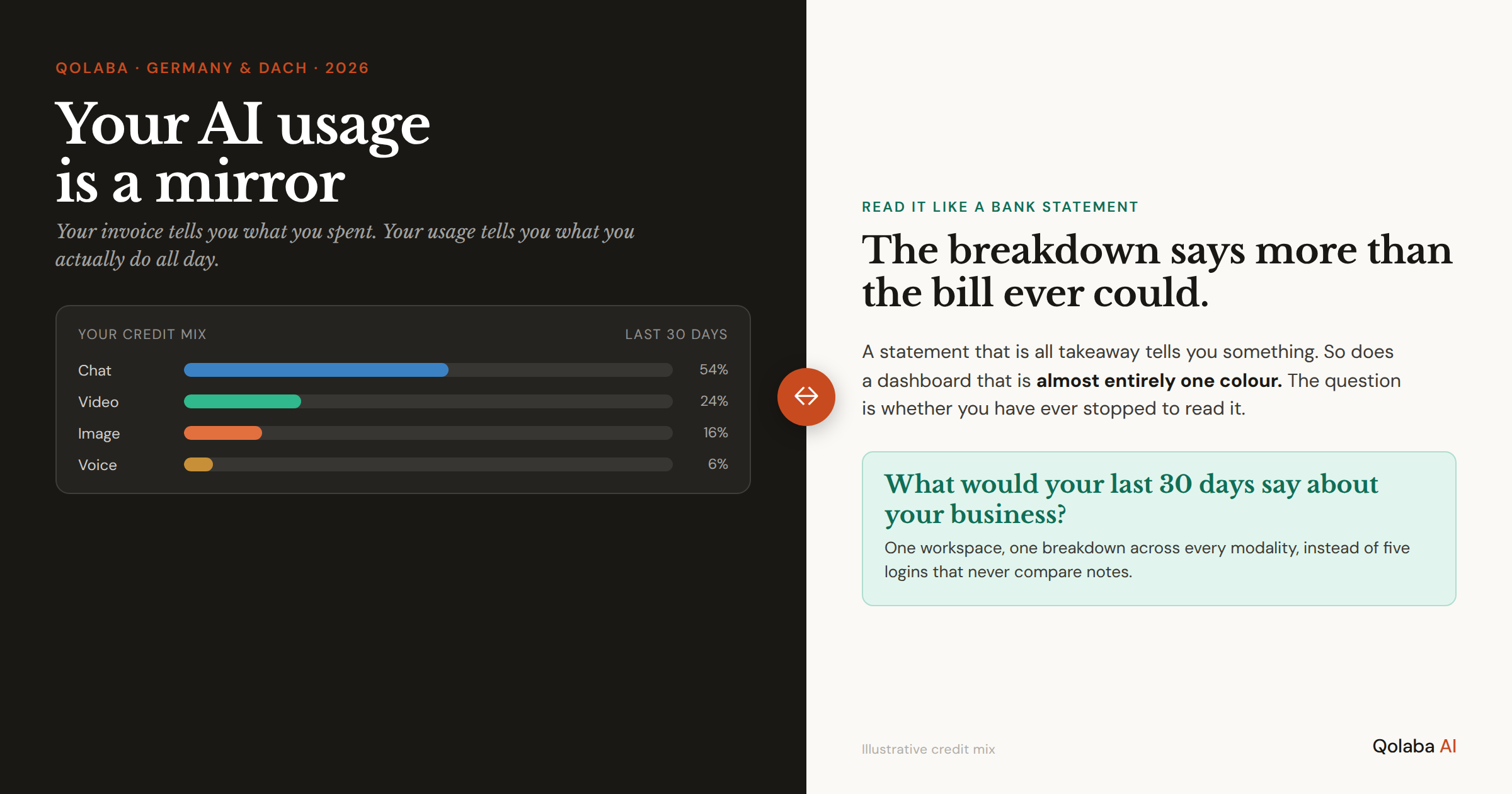


The journey from creative brief to final design asset has traditionally been lengthy, iterative, and resource-intensive. Multiple rounds of concepts, feedback cycles, revisions, and refinements often stretch timelines and budgets. But the integration of AI into the design process is fundamentally changing this landscape, enabling teams to move from concept to completion with unprecedented speed and efficiency.
This transformation isn’t about replacing human creativity—it’s about amplifying it. AI tools now serve as collaborative partners that handle repetitive tasks, generate initial concepts, and help refine work, allowing designers to focus on strategic thinking and creative direction.
This guide outlines a streamlined, AI-accelerated workflow that takes you from creative brief to final asset while maintaining quality and creative integrity.
Phase 1: Brief Interpretation & Concept Generation

Translating Client Requirements
The creative brief is your roadmap, but extracting actionable design direction can be challenging.
Traditional Process: Designers spend hours interpreting briefs, researching references, and sketching initial concepts.
AI-Accelerated Approach:
- Use AI to analyze the brief and extract key design parameters (style, tone, audience, objectives)
- Generate a structured design specification that clarifies requirements
- Create mood boards automatically based on brief keywords and brand guidelines
Workflow Action: Input your creative brief into an AI tool with a prompt like: “Analyze this creative brief for a [project type] and extract: 1) core message, 2) target audience characteristics, 3) key visual requirements, 4) brand constraints, and 5) success metrics. Then generate a mood board with 10-15 visual references that align with these requirements.”
Rapid Concept Exploration
Generate multiple design directions quickly to explore creative possibilities.
Traditional Process: Designers manually create 2-3 initial concepts, often limited by time constraints.
AI-Accelerated Approach:
- Generate 10+ concept directions in minutes
- Explore diverse aesthetic approaches simultaneously
- Quickly identify promising creative territories
Workflow Action: Use your refined design specification to prompt: “Generate 8 distinct visual concepts for [project] that maintain these brand elements [colors, typography, logo usage] while exploring different approaches to [key message]. Each concept should include a brief explanation of the creative rationale.”
Phase 2: Refinement & Iteration
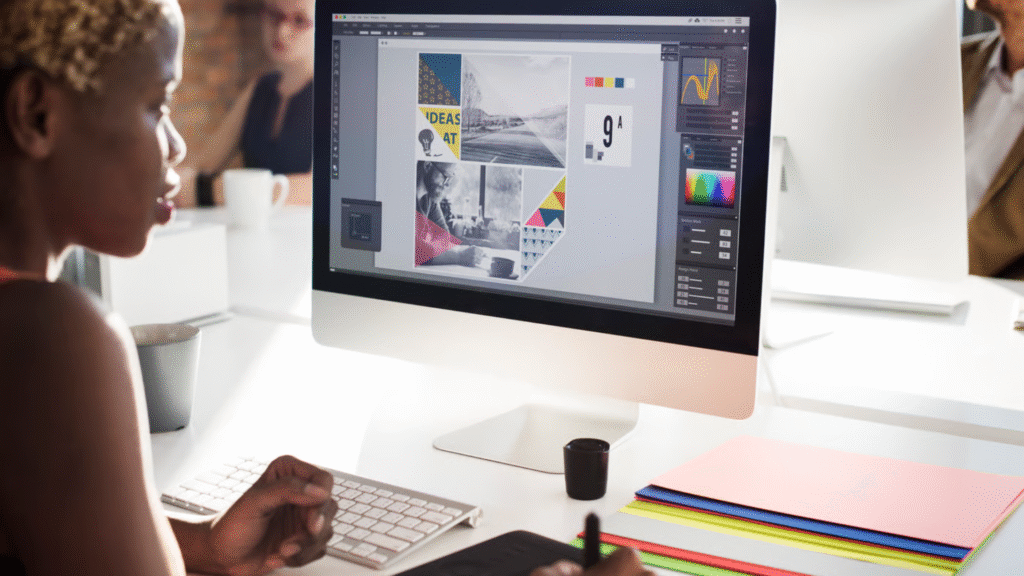
Focused Design Development
Once promising directions are identified, develop them with greater detail.
Traditional Process: Designers manually refine selected concepts, often requiring days of work.
AI-Accelerated Approach:
- Rapidly iterate on the most promising concepts
- Generate multiple variations of layout, color schemes, and visual elements
- Test different typography and composition options in minutes
Workflow Action: Select your preferred concept and prompt: “Develop 5 variations of this concept, exploring different: 1) layouts, 2) typography treatments, 3) color balance, and 4) visual hierarchy. Maintain the core creative direction while pushing the design further.”
Collaborative Feedback Integration
Incorporate stakeholder input efficiently without endless revision cycles.
Traditional Process: Multiple feedback rounds with manual revisions, often leading to creative compromise.
AI-Accelerated Approach:
- Translate subjective feedback into concrete design adjustments
- Generate multiple options addressing specific feedback points
- Visualize feedback implementation before committing to changes
Workflow Action: Input stakeholder feedback and prompt: “Based on this feedback: [paste feedback], generate three different approaches to address these concerns while maintaining the design’s creative integrity. Explain the rationale behind each solution.”
Phase 3: Production & Finalization

Asset Variation Creation
Adapt your core design for different formats and platforms.
Traditional Process: Designers manually resize and adapt designs for each required format.
AI-Accelerated Approach:
- Automatically generate format variations while preserving design integrity
- Create platform-specific adaptations that respect technical requirements
- Produce multiple versions (A/B testing variants) efficiently
Workflow Action: With your approved design, prompt: “Adapt this core design for the following formats while maintaining visual consistency: 1) Instagram post (1080×1080px), 2) Instagram story (1080×1920px), 3) Facebook cover (820×312px), 4) Email header (600px wide), and 5) Website banner (1200×300px). Ensure key elements remain visible and impactful across all formats.”
Final Optimization & Quality Control
Ensure technical excellence and brand compliance before delivery.
Traditional Process: Manual checking of brand guidelines, image resolution, and technical specifications.
AI-Accelerated Approach:
- Automatically verify brand compliance (colors, typography, logo usage)
- Check technical specifications (resolution, file format, color space)
- Identify potential production issues before they become problems
Workflow Action: Before final delivery, prompt: “Review this design for: 1) brand guideline compliance, 2) technical specifications for [intended use], 3) accessibility considerations, and 4) potential production issues. Suggest any necessary adjustments to ensure optimal quality.”
The Human + AI Advantage: Where Creativity Meets Efficiency
This AI-accelerated workflow doesn’t diminish the designer’s role—it elevates it. By handling time-consuming tasks and expanding creative exploration, AI allows designers to focus on strategic thinking, creative direction, and client relationships.
Key Benefits:
- Expanded Creative Exploration: Explore more concepts and variations than traditionally possible
- Accelerated Timeline: Reduce design cycles from weeks to days or even hours
- Enhanced Collaboration: Generate options addressing specific stakeholder needs
- Consistent Quality: Maintain high standards across all deliverables
- Strategic Focus: Designers can concentrate on high-value creative decisions
Implementation Best Practices
- Start with Clear Objectives: AI works best when given specific goals and constraints
- Maintain Human Direction: Use AI as a tool guided by your creative vision, not a replacement for it
- Iterate Strategically: Generate multiple options but focus refinement on the most promising directions
- Preserve Brand Integrity: Ensure AI-generated work adheres to established brand guidelines
- Build an Asset Library: Save successful prompts and outputs to accelerate future projects
The design process is undergoing a fundamental transformation. By embracing AI as a collaborative partner rather than a replacement, creative teams can deliver exceptional work faster than ever before. This AI-accelerated workflow from brief to final asset represents not just an efficiency gain, but an expansion of creative possibilities—allowing designers to explore more, iterate faster, and deliver better results for clients and stakeholders.
Transform your creative workflow with Qolaba’s unified AI workspace. From interpreting creative briefs to generating concepts and producing final assets, Qolaba streamlines every step of the design process. Store your brand guidelines, creative briefs, and successful design prompts in one collaborative environment, ensuring consistency while dramatically reducing production time. With Qolaba, your team can focus on strategic creative direction while AI handles the heavy lifting, delivering exceptional design assets that meet objectives and delight clients—all in a fraction of the traditional timeline.