

In today’s rapidly evolving business landscape, Fortune 500 companies recognize digital transformation as a strategic imperative—one that extends beyond technology adoption to fundamentally reshape operations, culture, and customer engagement. While exact cost savings vary, these organizations consistently report measurable improvements in operational efficiency, productivity, and budget optimization. This blog delves into how the largest enterprises successfully execute digital transformation at scale, the key strategies involved, and how Qolaba’s unified AI platform supports this journey by enabling seamless collaboration and cost-effective innovation.
Understanding the Scale and Complexity Challenge in Enterprise Transformation
Transforming massive, established organizations presents a unique set of challenges that smaller businesses rarely encounter. The sheer scale and existing infrastructure create significant hurdles:
- Diverse Technology Stacks: Fortune 500s often operate with a sprawling array of legacy systems and modern applications spanning multiple departments, regional offices, and even international subsidiaries. Integrating these disparate technologies is a monumental task.
- Fragmented Software Ecosystems: This technological diversity often leads to a fragmented software ecosystem where different teams use different tools for similar functions. This causes workflow inefficiencies, data silos, and a lack of a single source of truth.
- High Administrative Burdens: Managing numerous AI and software subscriptions, licenses, and vendor relationships across an enterprise can become an administrative nightmare, consuming valuable resources and budget.
- Productivity Losses from Task Switching: Employees frequently switch between multiple applications and platforms to complete tasks, leading to significant context switching, reduced focus, and measurable productivity losses.
- Extensive Training Requirements: Each new tool or platform requires dedicated training, and with a fragmented ecosystem, the cumulative training burden for employees can be overwhelming, hindering adoption and ROI.
To overcome these complexities, companies must adopt a holistic approach that meticulously balances technology implementation with process re-engineering, cultural shifts, and robust governance frameworks. This integrated strategy is essential for achieving significant operational improvements while simultaneously optimizing costs.
Core Strategies Fortune 500s Employ for Optimized Efficiency

Leading enterprises are not just adopting digital tools; they are strategically redesigning their operational backbone. Here are the core strategies driving their success:
1. Unified Platform Adoption: Consolidating for Clarity and Control
A major trend among Fortune 500s is the strategic consolidation of fragmented tools onto unified platforms. These comprehensive platforms are designed to support a multitude of AI capabilities—including text generation, image processing, video analysis, and speech recognition—all within a single, collaborative workspace. This approach dramatically reduces workflow bottlenecks and administrative complexity.
- Centralized Access: By providing a single point of entry for various AI tools and data, unified platforms minimize task switching and prevent the loss of context that often occurs when moving between disparate applications.
- Integrated Workflows: Seamless integration allows for streamlined project handoffs and automated processes, ensuring that data flows effortlessly between different stages of a project or different teams.
- Reduced Training Overhead: Standardizing the user experience across multiple AI functionalities means employees only need to learn one interface, significantly reducing training time and accelerating adoption across the organization. This also lowers the total cost of ownership by reducing the need for multiple vendor contracts and support teams.
2. Usage-Based or Credit-Based Pricing Models: Aligning Costs with Value
Many Fortune 500s are intelligently shifting away from traditional per-seat licensing models, which can inflate costs unnecessarily as team sizes grow. Instead, they are embracing flexible usage-based or credit-based pricing models that directly align expenses with actual output and consumption.
- Dynamic Scaling: This model enables organizations to dynamically scale their AI resources up or down based on real-time demand, ensuring they only pay for what they use. This is particularly beneficial for projects with fluctuating workloads.
- Avoiding Over-Provisioning: Companies can avoid the costly trap of over-provisioning licenses during periods of low usage, ensuring budget efficiency.
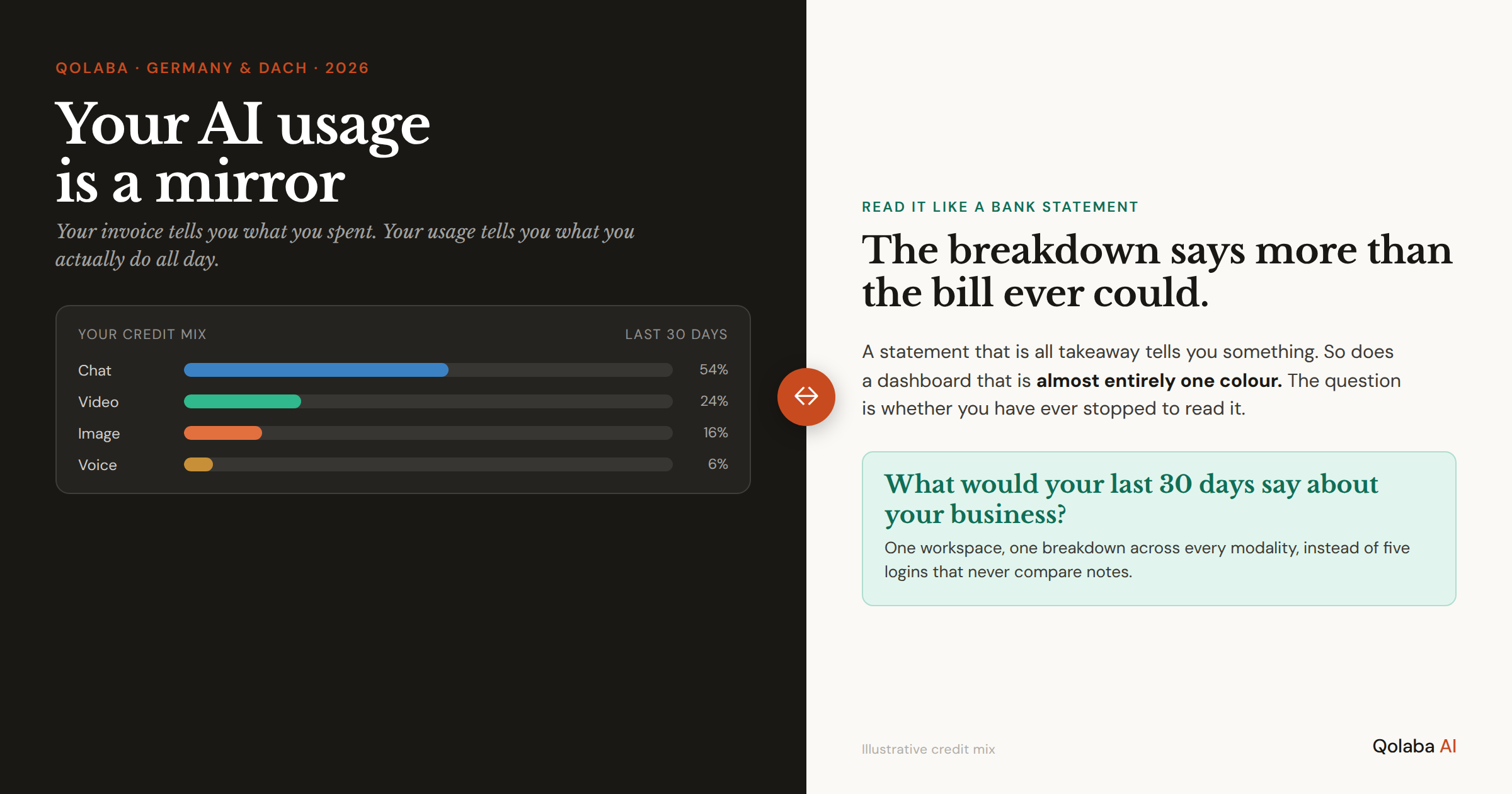
- Improved Budget Visibility and Predictability: By tracking consumption, finance teams gain clearer insights into AI expenditure, leading to more accurate budget forecasting and better cost predictability, which is crucial for large-scale financial planning.
3. Embedded AI and Automation for Efficiency: Empowering Human Capital
The most impactful strategy involves embedding AI deeply into critical business workflows. This automates repetitive, time-consuming tasks and delivers real-time, actionable insights, thereby freeing human resources to focus on higher-value, strategic activities that require creativity, critical thinking, and complex problem-solving.
- Custom AI Agents: Enterprises are leveraging custom AI agents to handle routine content generation (e.g., marketing copy, internal reports), data analysis, customer service interactions, and various operational processes, improving speed and consistency.
- Predictive Analytics: AI-driven predictive analytics optimize complex operations like supply chain management, inventory control, and resource allocation, leading to significant cost reductions and improved forecasting accuracy.
- Accelerated Decision-Making: Automation coupled with AI-powered insights accelerates decision-making processes, allowing businesses to respond more rapidly to market changes and competitive pressures. Quality control is also enhanced through automated detection of anomalies and errors.
How Qolaba Accelerates Digital Transformation at Scale
Qolaba’s AI Studio platform is specifically designed to meet the rigorous demands of large enterprises, aligning perfectly with their digital transformation objectives:
- Comprehensive Multi-Modal AI: Qolaba provides access to over 60 cutting-edge AI models, encompassing text, audio, video, and design capabilities. All these powerful tools are unified within a single workspace, effectively eliminating tool fragmentation and fostering a cohesive digital environment.
- Flexible Credit-Based Pricing: Qolaba offers a credit-based pricing model. This means organizations pay only for the AI resources they consume, avoiding punitive per-seat licensing fees and making AI adoption inherently scalable and cost-effective.
- Seamless Collaboration: The platform is built for distributed teams, enabling co-creation and automated workflows that break down departmental silos. This fosters a collaborative environment, significantly accelerating project timelines and improving cross-functional efficiency.
- Custom Agent Creation: Qolaba empowers enterprises to create tailored AI workflows and agents that are perfectly aligned with their specific industry needs and unique business processes. This level of customization enhances relevance, drives higher ROI, and ensures AI solutions are purpose-built for their challenges.
- Enterprise-Ready Security and Compliance: For Fortune 500s, data privacy and governance are paramount. Qolaba is engineered with compliance protocols ensuring that AI efforts can scale rapidly without compromising sensitive data or regulatory adherence.
By integrating these advanced capabilities, Qolaba helps enterprises eliminate hidden productivity losses, simplify complex administration, and unlock unprecedented levels of efficiency and innovation across their entire organization.
Implementing Digital Transformation: Key Steps to Success

Successfully navigating digital transformation requires a structured, phased approach:
- Assessment and Planning: Begin by conducting a thorough inventory of existing software and AI tools. Identify critical inefficiencies, integration gaps, and significant cost drivers. Crucially, engage leadership and key stakeholders to define clear transformation objectives, establish measurable KPIs, and secure executive buy-in.
- Pilot and Evaluation: Before a full-scale rollout, test unified AI platforms like Qolaba within targeted teams or departments. Carefully measure improvements in productivity, document tangible cost savings, and monitor user adoption rates. Gather feedback rigorously and adjust strategies based on data-driven insights from these pilot programs.
- Scaled Rollout and Continuous Improvement: Develop comprehensive training programs focused on new workflows and platform functionalities. Implement robust change management strategies to ensure smooth adoption across the enterprise. Continuously monitor ongoing usage, identify new optimization opportunities, and foster a culture of continuous improvement and innovation that embraces technological evolution.
The Future of Enterprise Efficiency is Here
Digital transformation at scale is no longer optional for Fortune 500 companies—it is the indispensable foundation for sustained competitiveness, market leadership, and future growth. While the precise cost savings will naturally vary by scope and industry, the unwavering focus on operational efficiency, seamless workflow integration, and intelligent automation consistently yields measurable business value. Platforms like Qolaba exemplify the next generation of AI studios, meticulously designed for the complexities of large teams.